

What We Inspect with Drones and ROVs
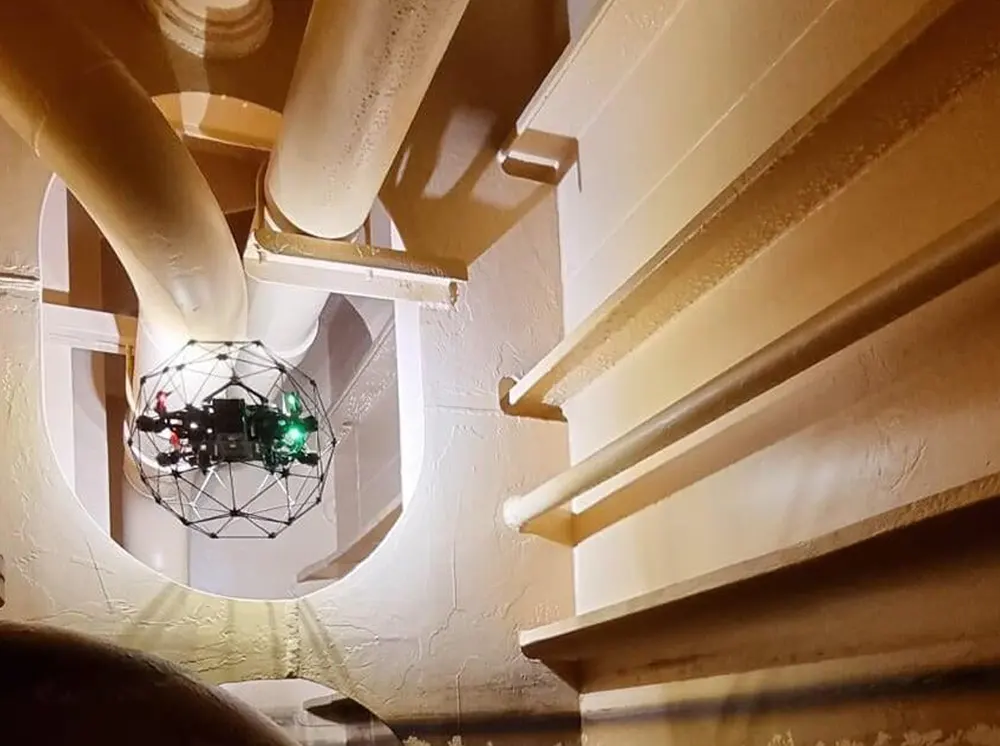
Confined spaces: ballast tanks, cargo holds and fuel tanks
Our specialised confined-space drones need an opening of just 350 mm for visual inspection, or 550 mm for ultrasonic thickness measurements. ATEX-certified drones are available for hazardous areas such as crude oil tanks (COT). Your crew stays out of the tank.
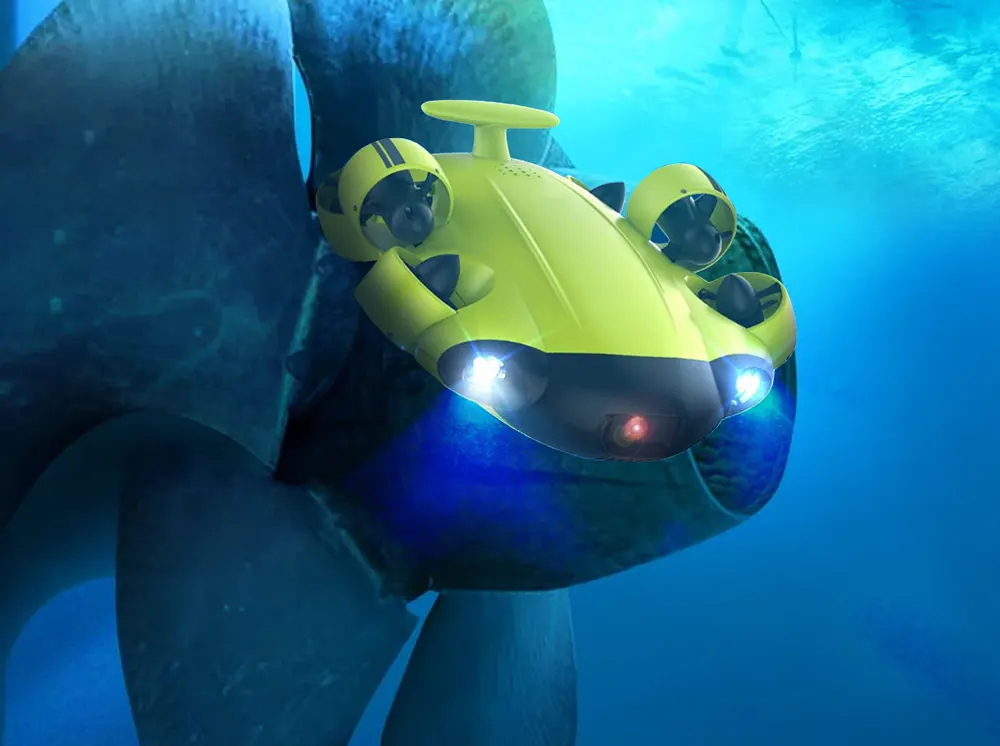
Underwater hull and subsea structures
Our Class 2 ROVs operate at depths up to 300 metres and deliver real-time HD video and AI-enhanced imaging. We use them for hull inspections, cathodic protection assessments, offshore legs, pipelines and subsea structures: a practical, cost-efficient alternative to diving operations.
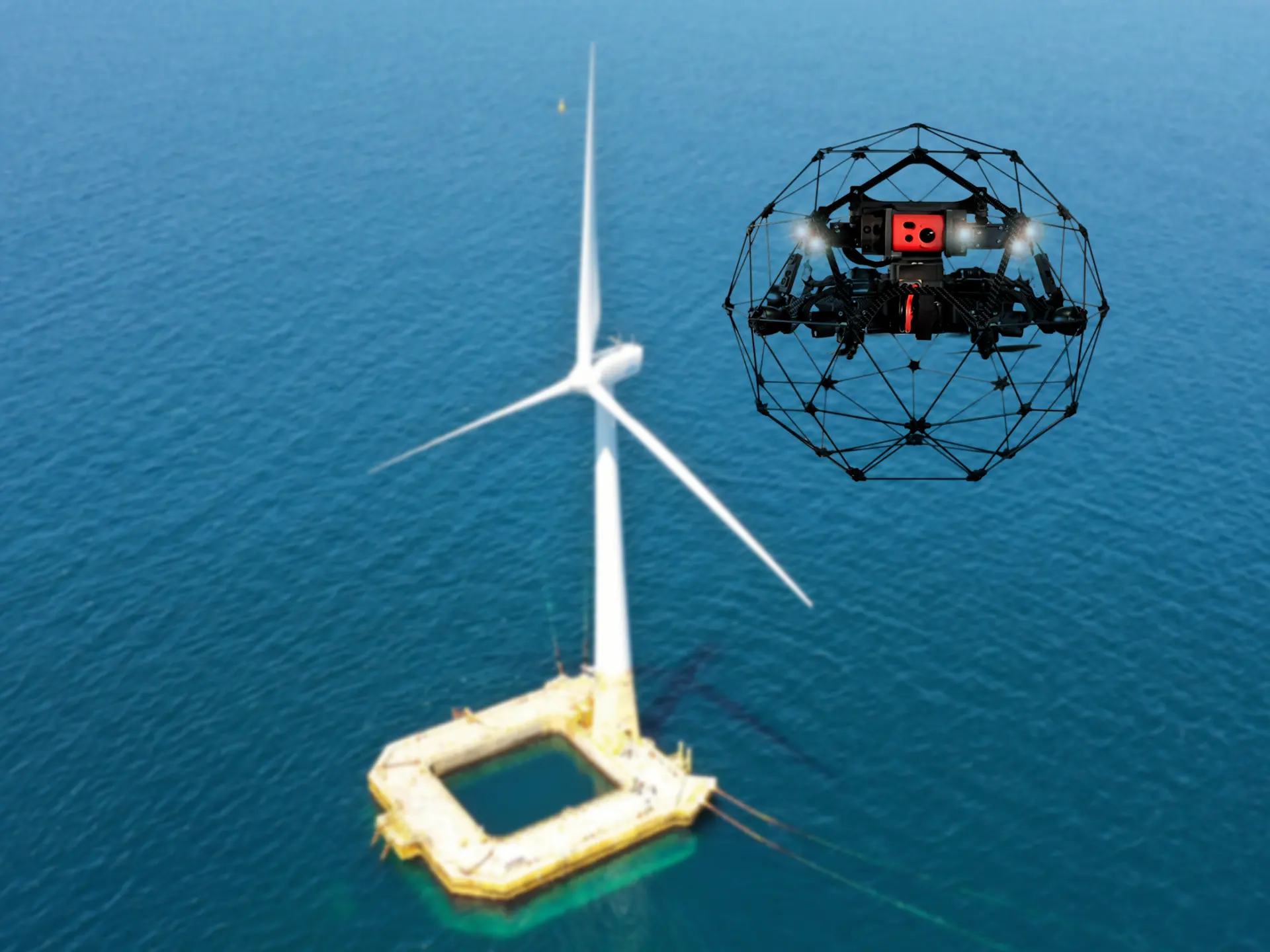
At height: wind turbines, platforms and cranes
Aerial drones capture high-resolution images and thermal data from wind turbine blades, remote offshore platforms and cranes, without scaffolding or rope access.
Pre-Docking Surveys While the Vessel Stays in Service
Inspections happen before the vessel arrives at the yard, so the repair scope is clear before docking. Ballast tanks and cargo holds are inspected in hours instead of days, and the findings are available in real time to your technical team, the surveyor and the yard.
Measurements and Analysis
- Ultrasonic thickness measurements (UTM): at height and inside tanks, to assess structural integrity.
- 3D modelling: digital reconstruction from photographs or LiDAR scans, for accurate dimensions and volumes.
- Thermography: infrared imaging to detect defects in installations and heat loss.
Drone and ROV inspections are fully integrated with our maritime NDT services.
Class, Flag State and Pre-Docking Inspections
We carry out class, flag state and pre-docking inspections. Our inspectors work to the requirements of the international classification societies. For a class survey, send us the classification society and survey type, and we agree the method with the attending surveyor before we mobilise. Ned Marine has been an NDT specialist since 2010 and is ISO 9001 and SCC (VCA) certified.
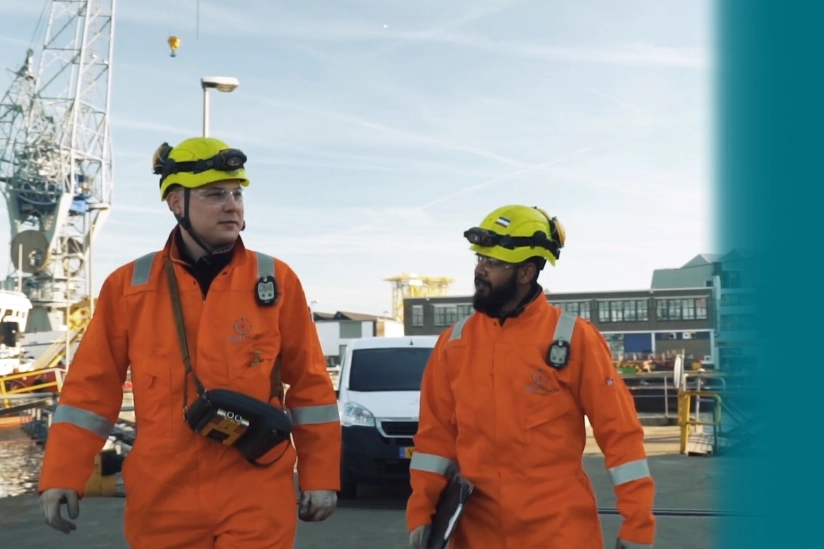
Drone and ROV Inspection by Industry
- Maritime: class, flag state and pre-docking inspections for container vessels, tankers and other seagoing ships.
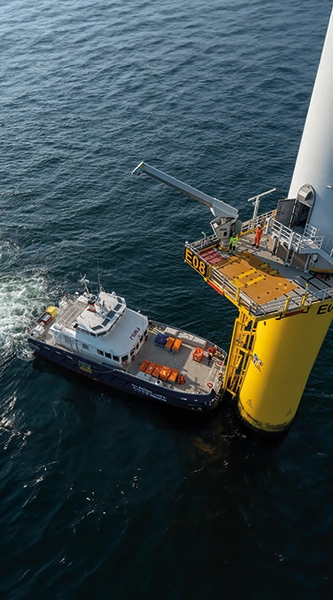
- Offshore and onshore wind: blade and foundation inspections, construction monitoring, seabed surveys and marine fauna impact assessments.
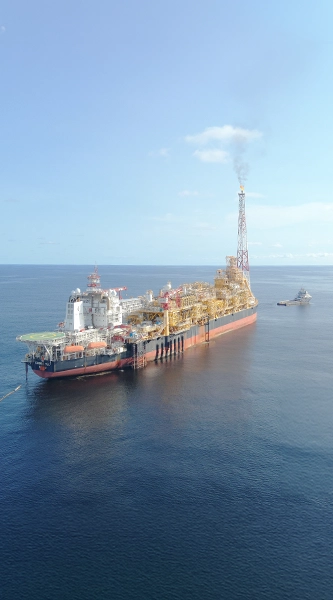
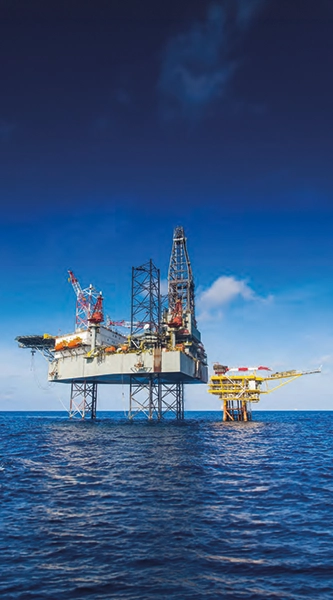
- Oil and gas: FPSOs, platforms and subsea pipelines, inspected without disrupting production.
- Industry: tank storage facilities and industrial structures.
Beyond Inspection: Operations and Maintenance
- Surface cleaning: up to 1,500 m² per hour, with biodegradable agents.
- Anti-rust treatment: rust converter applied to the hull, even during short port stops.
- Anti-pollution and surveillance: real-time monitoring to detect oil leaks or survey large areas.
- Drone logistics: express delivery of spare parts or samples between offshore locations and shore.
Drone and ROV Inspection FAQ
Yes. Our drones need an opening of 350 mm for visual inspection and 550 mm for UTM.
For hull and subsea inspections, our ROVs are a practical alternative to diving operations, with real-time HD video and detailed inspection data.
Up to 300 metres, for hulls, offshore legs, pipelines and subsea structures.
Yes. Pre-docking surveys and hull inspections can be done without taking the vessel out of service.
For urgent inspections our teams can deploy within 24 to 48 hours. Call +31 180 420 055 with the port and date.
Yes: blade and foundation inspections, seabed surveys and environmental monitoring.
What to Send to Book an Inspection
- Vessel name and type, or the installation
- What needs inspecting: tanks, holds, hull or structure
- Port or offshore location and preferred date
- Class survey or not, and which society
Not sure if drone, ROV or traditional NDT fits best? Describe the job and we’ll advise.
Book an inspection or request a quote: +31 180 420 055 | info@nedmarine.com | Contact form
One Partner on Board
While we inspect your vessel, we can also check and supply sacrificial anodes, carry out NDT and thickness measurements and replace pilot ladders. One supplier, one point of contact.