
Features of Our Pilot Ladders
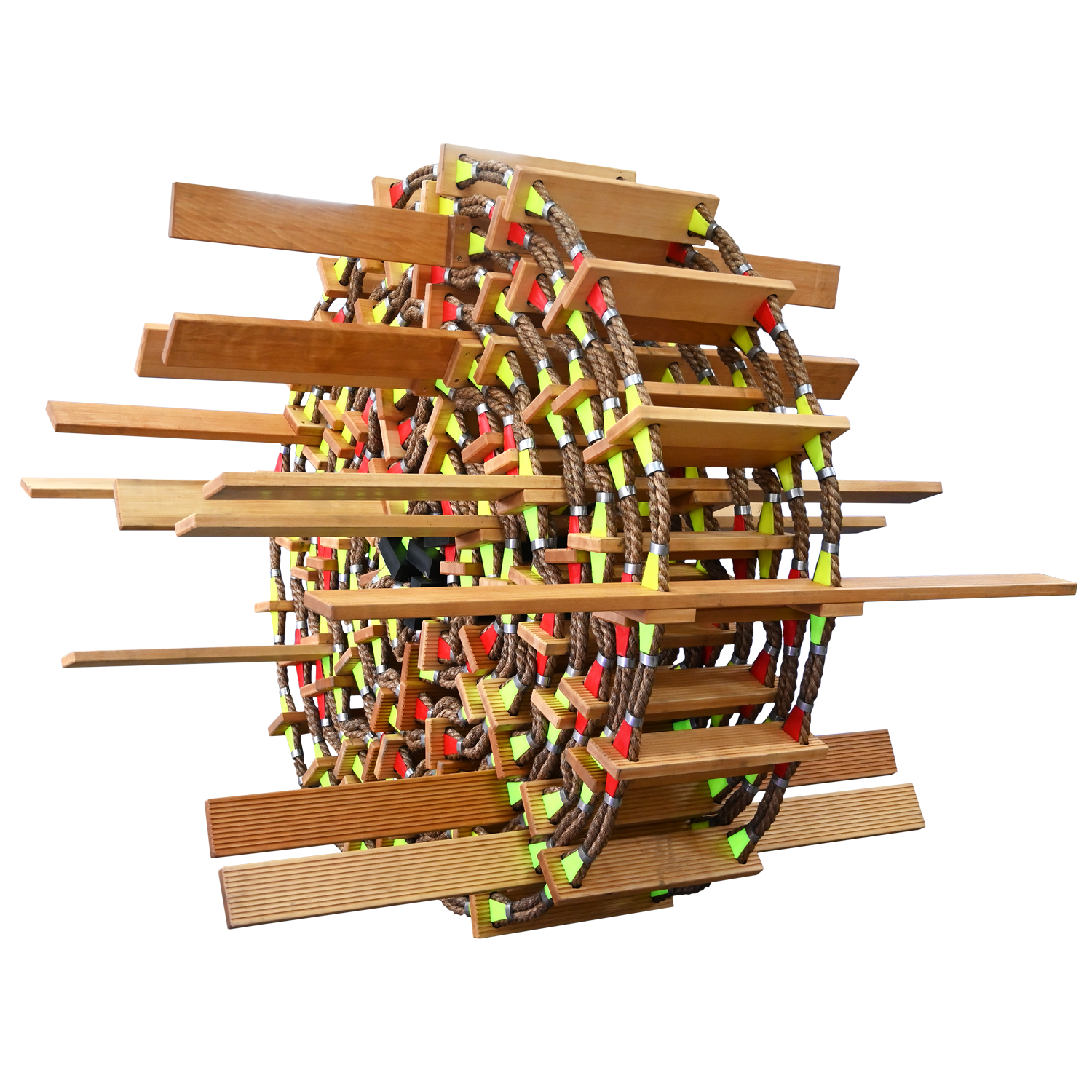
- 20 mm first-class manila side ropes, tensile strength over 24 kN
- Hardwood steps, ergonomically shaped with rounded edges and an anti-slip surface; spreader steps and rubber steps available
- Fluorescent yellow spacers and sides, visible in storm, rain and darkness
- Aluminium clamps with rounded edges and no play, so the rope is never damaged
- Option to extend or secure the ladder with 48 kN manila rope
- Complies with ISO 799-1:2019(E) and SOLAS; MED and DNV approved
See all models in our pilot and embarkation ladder catalogue.
New Pilot Ladder Requirements from 2028
The IMO has adopted amendments to SOLAS regulation V/23 and new performance standards for pilot transfer arrangements. They enter into force on 1 January 2028.
- Replacement interval: a pilot ladder must be withdrawn from service no later than 30 months after it was put into service, or 36 months after manufacture, whichever comes first.
- No step repairs: damaged steps and spreader steps may no longer be repaired or replaced. The ladder is replaced.
- Existing ships: arrangements installed before 2028 must meet the relevant installation requirements by the first survey on or after 1 January 2029 (ships covered by SOLAS chapter I), or by 1 January 2030 (other ships).
- All ships: the new rules for inspection, stowage, maintenance and replacement apply from 1 January 2028, whatever the installation date.
Record the date of manufacture and the date each ladder was put into service, and plan your replacements before the earlier date. We can help you set up a replacement plan for your fleet.
How Long Should Your Pilot Ladder Be?
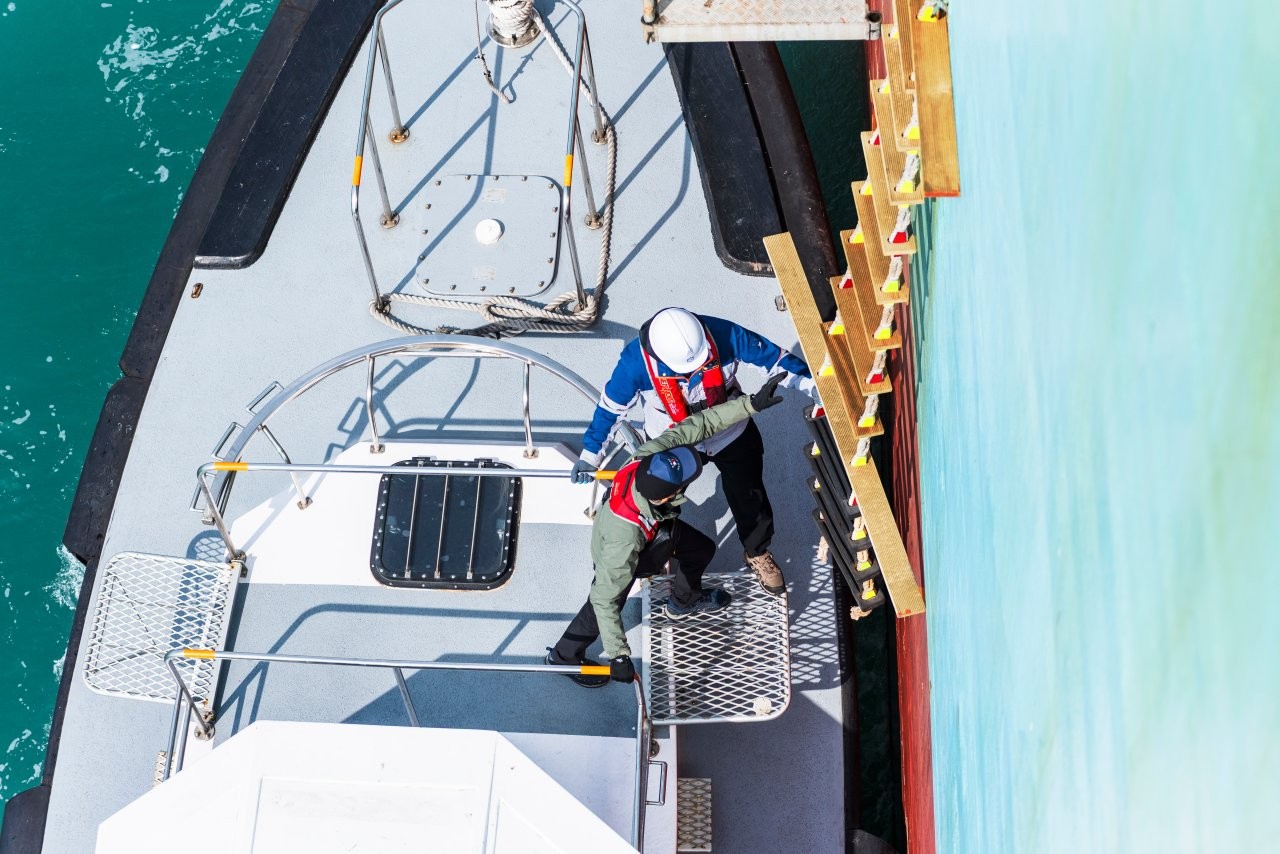
Under SOLAS regulation V/23, the pilot ladder must reach the waterline even when the vessel is in ballast with an adverse list of up to 15 degrees. In practice that can mean a ladder longer than ideal for day-to-day use, with excess steps resting on the pilot boat deck. Send us the height from the access point to the waterline in ballast, and we’ll advise on the right length.
When Is a Combination Arrangement Required?
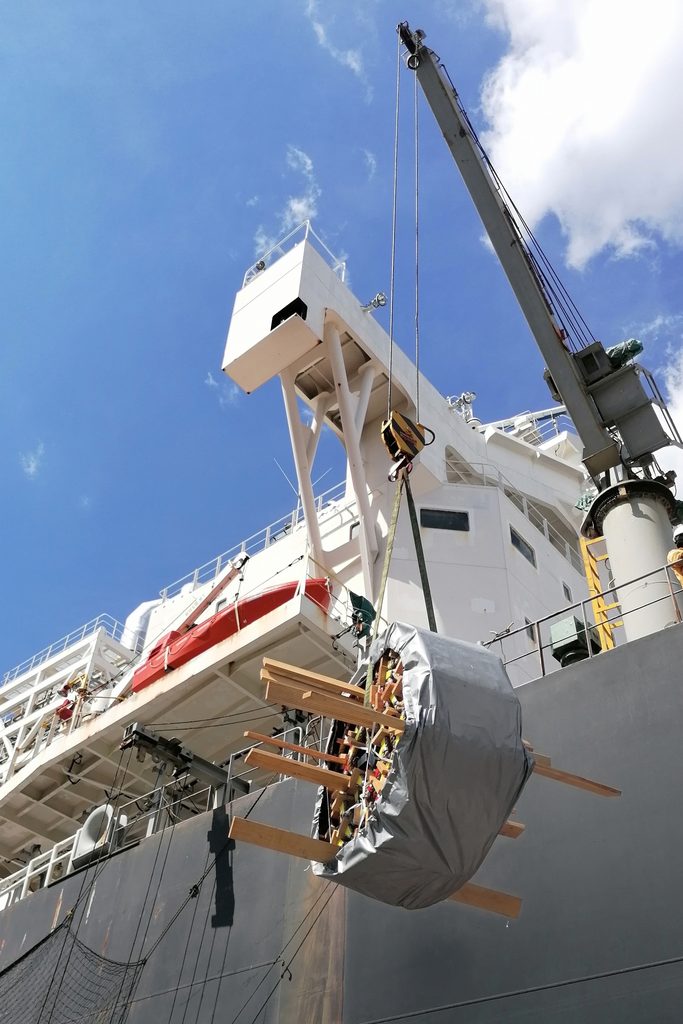
When the distance from sea level to the point of access is more than 9 metres, a combination of an accommodation ladder and a pilot ladder is mandatory. That requires the right overlap, enough clearance for the pilot boat and independent securing points. Configuration errors are a frequent cause of deficiencies during inspections. We supply both: see our accommodation ladders.
Certificates and Inspections
Pilot ladders are certified safety equipment. Each Ned Marine pilot ladder is clearly marked and supplied with its certificate. Missing documentation, unclear markings or uncertified replacements lead to deficiencies, delays or detentions. Tell us your flag and classification society, and we’ll supply the ladder and documents that match.
Even the best ladder fails if it’s rigged incorrectly: side ropes, correct knots, designated strong points and trained crew all matter. The ISM Code requires these checks in your maintenance and safety routines.
Pilot Ladder FAQ
From 1 January 2028: no more than 30 months after it was put into service or 36 months after manufacture, whichever comes first.
Under the new IMO performance standard, damaged steps and spreader steps may not be repaired or replaced. The ladder must be replaced.
No. A pilot ladder is for pilot transfer; an embarkation ladder is used for embarking survival craft and falls under different requirements. See our embarkation ladders.
Send us the length, quantity, certificate requirements and delivery port, and we’ll check stock and delivery time.

What to Send for a Quotation
- Vessel name or IMO number, type and flag
- Required length or height from access point to waterline in ballast
- Quantity, including spares
- Required approvals: MED, classification society
- Pilot ladder only, or combination with an accommodation ladder
- Delivery port and date
Request a quotation or advice: +31 180 420 055 | info@nedmarine.com | Contact form
One Partner on Board
Many of our clients combine their pilot ladders with accommodation ladders, gangways, anodes and NDT inspections. One supplier, one point of contact.